
In the delicate art of Kintsugi, where broken pieces meet the radiant allure of gold, the essence of Eastern philosophy known as “Wabi-sabi” whispers of a profound truth: beauty blossoms in the perfectly imperfect cycle of life. Embracing the impermanent nature of existence, we are beckoned to honor the authenticity found in the graceful acceptance of three simple truths: nothing endures, nothing concludes, and nothing attains perfection. It’s a celebration that all that constitutes life is finite, incomplete, and imperfect. Just as the mysteries of life weaves its intricate patterns, all that is crafted is fated to weather and wear, evoking reflections of the cyclical rhythms of creation and dissolution. Amidst the ebb and flow of our personal odyssey, we may not rewind the hands of time, yet we hold the power to revisit the fragments of our past, to unearth and restore facets of our being once lost, buried, or seemingly shattered.
This morning, enveloped in the serenity of meditation, a profound stirring unfurled within the sanctuary of my heart’s core. Wrestling with the resurgence of ancient wounds, I am propelled to confront and mend the ache they have etched upon my soul. Unveiling my imperfections as portals to rebirth, I stand resilient in a world that favors the transient over the enduring. In an era defined by disposability, I yearn to mend the fractures of existence, breathing longevity into the fragments left in disrepair. For within the fissures of our being lie the seeds of renewal, urging us never to relinquish hope in the face of adversity. Let us not conceal the chapters of our journey, even those marked by colossal upheaval. Embrace the narrative of your scars, for it is within these ruptures that the phoenix of transformation takes flight, birthing resilience,, perseverance and grace.
I made the conscious choice to embark on a journey of “inner kintsugi”, drawing inspiration from the ancient Japanese art of repairing broken pottery with lacquer and decorating the cracks with gold or silver, accentuating the cracks rather than concealing them. This approach beautifies the breakage, and the gold highlights the fractures as an important part of the object’s history.
I won’t lie, healing has been painful. Putting the pieces back together and realizing that my self hatred and pain caused me to carelessly destroy what I most wanted is so hard. I’ve wanted to drown it gold or simply throw out the broken pieces. But in the reparation, I have found peace and healing in the Kintsugi art of embracing imperfections and acknowledging the strength that comes from enduring past hardships. It all breaks down to how we choose to perceive and respond to our experiences to rebuild and come together. The gold represents fragility, strength and beauty, a powerful metaphor for life where nothing is truly broken.
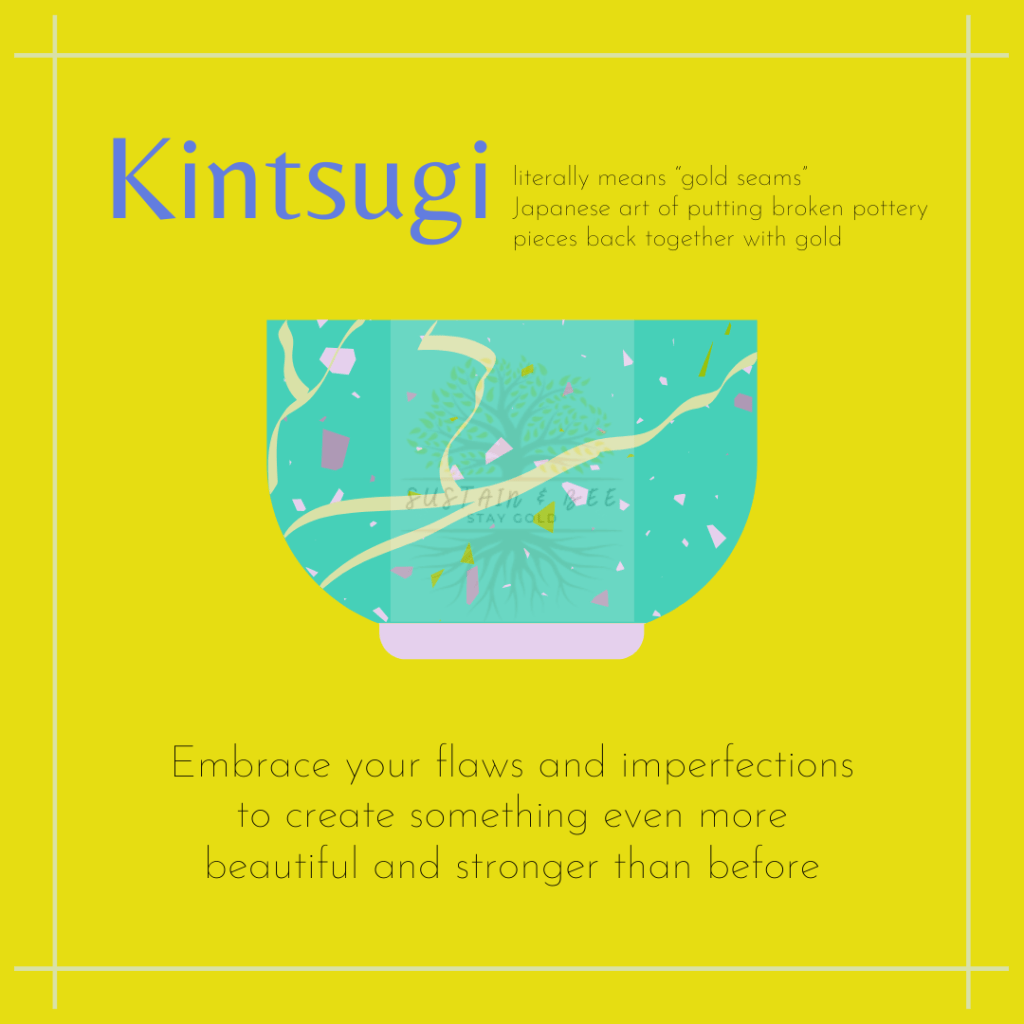
I firmly believe that there is beauty in the breakdown. This belief fuels my unwavering faith in love and the inherent goodness in people. I have witnessed how my struggles have ached for a catharsis, breaking into new realms within myself, serving as raw material for a magnificent work of kintsugi. Like an artist, cook, solutionist, and creative soul, I strive to craft something beautiful out of what I have and what I’ve lived, and inspire others to find the courage to do the same, even when the allure of remaining in familiar narratives is strong. I’ve had to walk through the darkest nights to let the light of sunrise break in. I had to break my own heart and patch the pieces back together with gold to feel whole.
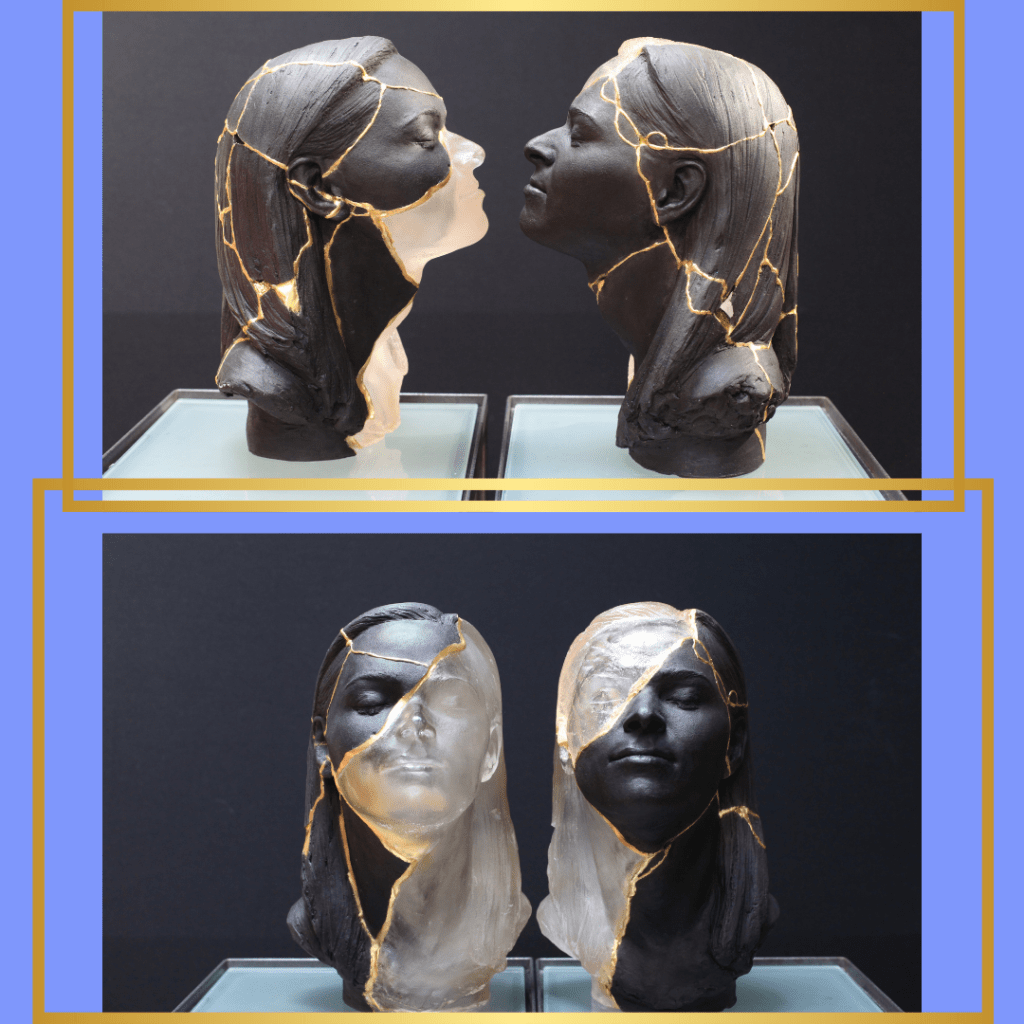
Central to this process is the act of reparenting oneself, wherein we reconnect with the parts of our being that have felt neglected or abandoned in the past. By tending to these emotional wounds, we begin to address our holistic needs – emotional, physical, and spiritual. Through introspection and self-care, I realized that these needs are interconnected and can be nurtured by simply slowing down and focusing on each breath.
Ultimately, this journey is about returning to oneself and recommitting to the ongoing work of fostering inner resilience and sustainability. By acknowledging our past, embracing our imperfections, and tending to our innermost needs, we pave the way for personal healing, growth, and a deeper sense of self-awareness. Embracing the beauty of imperfection allows us to transform our struggles into sources of strength and inspiration, shaping us into resilient beings capable of creating beauty out of brokenness.
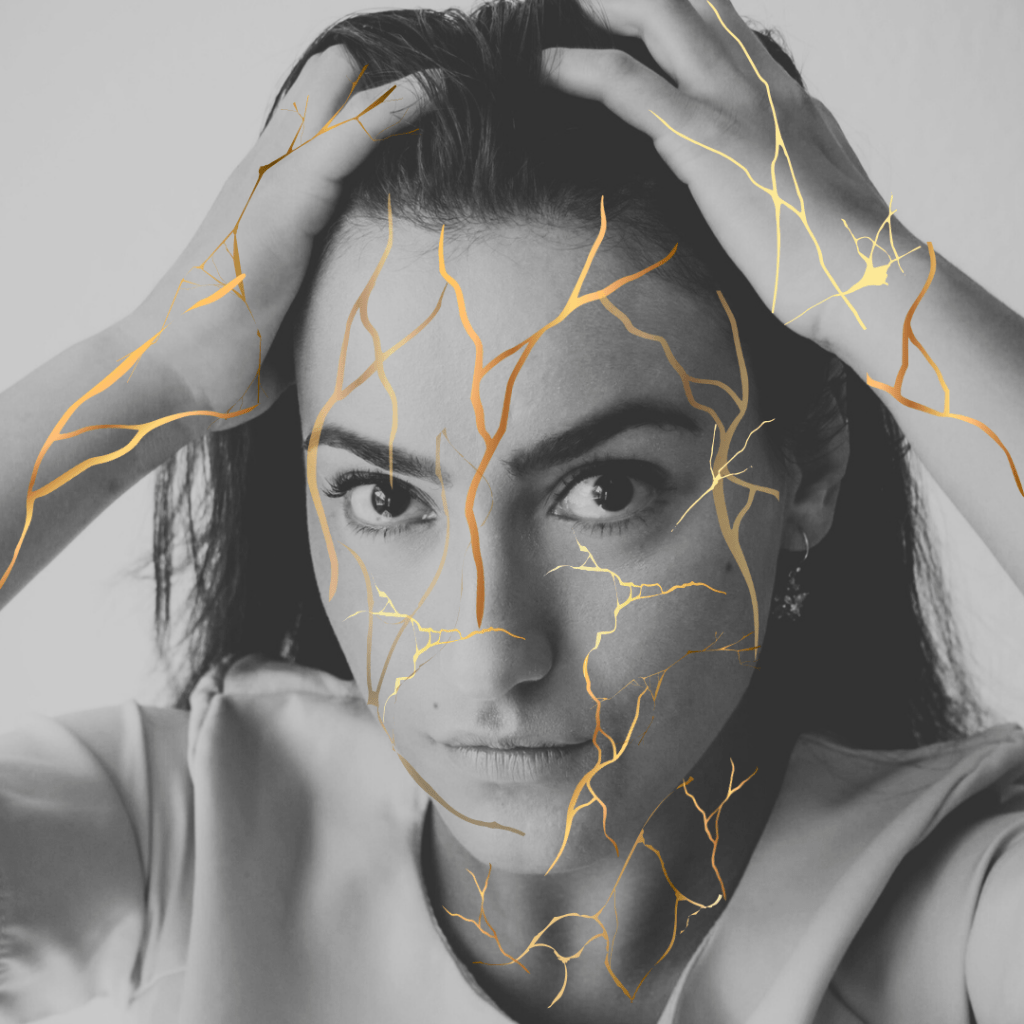
 Sustain & Bee | Sostiene & Sée